The business of treasure…

So you read about the ‘chance meeting’ with Matholakele Bhobosana.

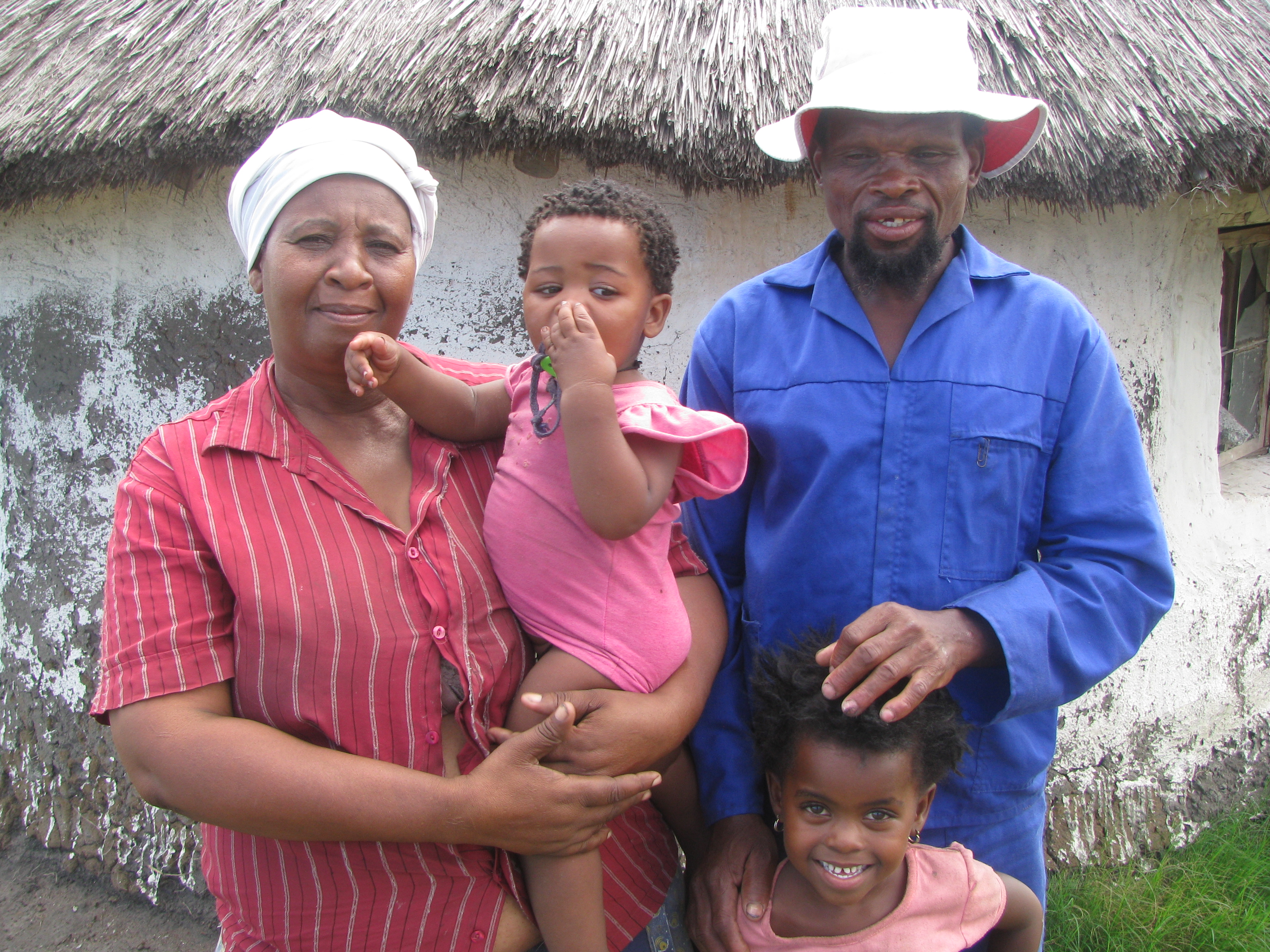
We later meant with 56-year-old Ngomani Mhlolivele, the son of the woman we we looking for when we drove right up to Bhobosana’s front door.
IMG_3555

Ngomani Mhlolivele with his partner, Nofezile Memani, and grandchildren, Sanele, 14 months and Oluhle 4.

He has been digging up beads on the rock island next to Msikaba Mouth since he was a little boy. Though he has had other forms of work outside his village of KwaNdengane, digging up beads, broken pieces of crockery and clay pots has been his longest form of earning an income. He also currently works as a night security guard for the ten or so holiday homes along the beach.

IMG_3537

Beads from shipwrecks

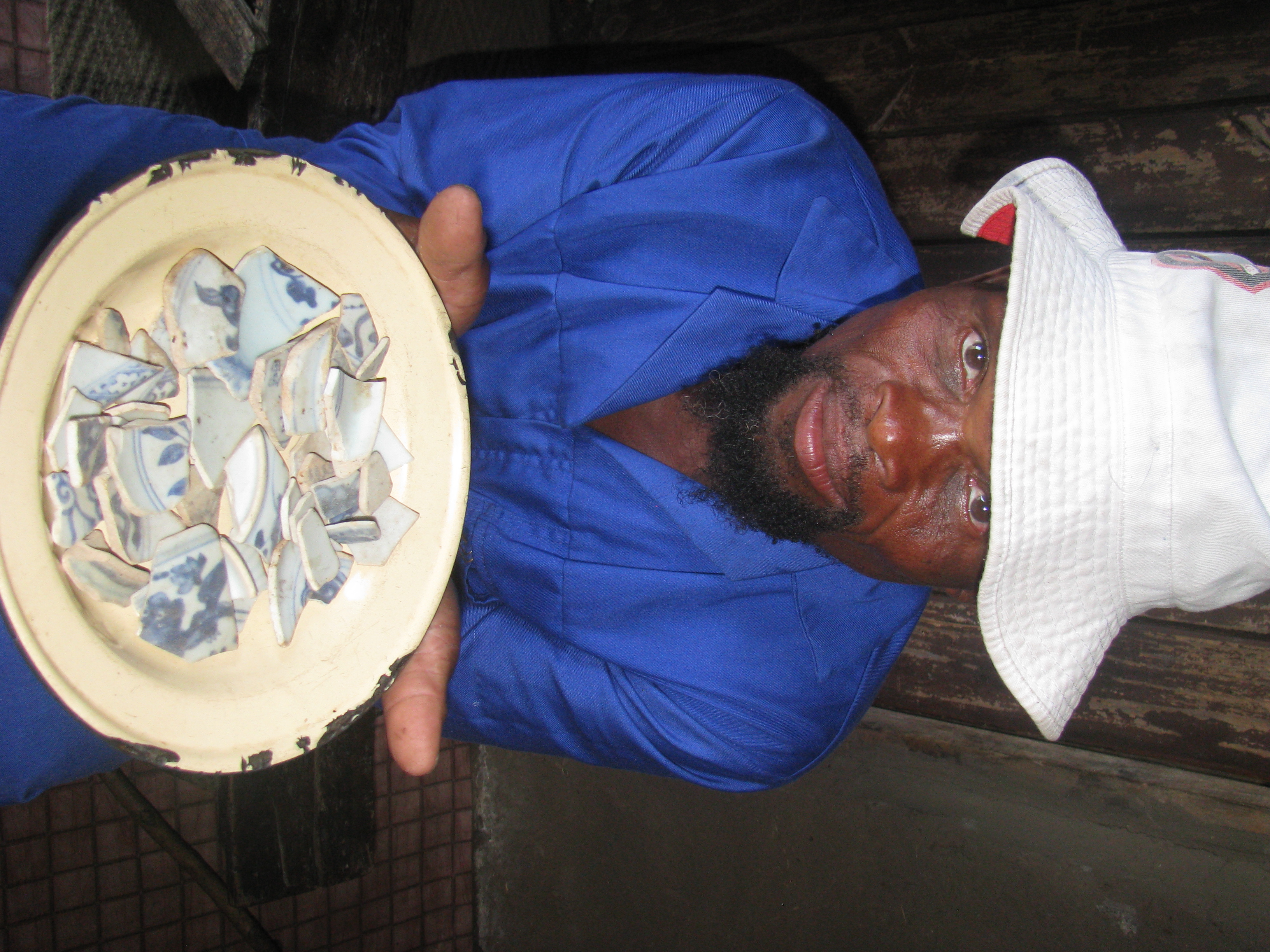
Ngomane says he sells each regular-sized individual bead for R100. (A regular-sized bead is more or less the same size of the beans you’d use in samp and beans.) Some of the beads are broken, and these he sells for about R30. His clients are the white holiday home owners who come to Msikaba during the holidays. The broken pieces of crockery and clay pots don’t seem to have much of a market, he hasn’t sold any in a long time.
IMG_3554

Ngomani Mhlolivele with pottery shards

Last year Ngomani found a bell-shaped gold artifact, which he has not yet sold. He says one of the white men who own a holiday home in the area took a photograph of it which he left with Ngomani before taking the artifact away to the city to be evaluated. He brought it back on his next visit to Msikaba but did not tell him what it is valued at.
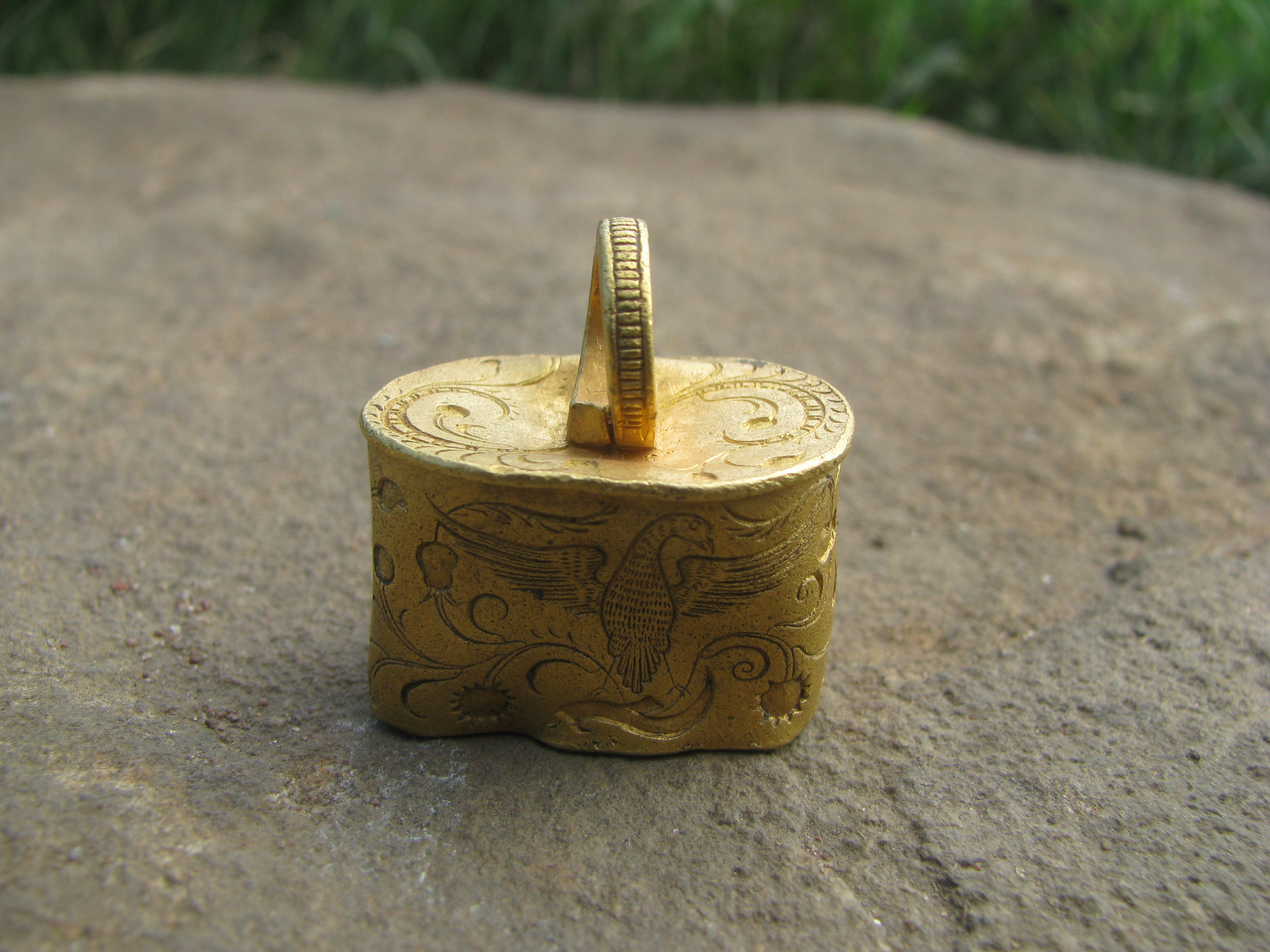
Gold bell from a shipwreck

Gold bell from a shipwreck

I asked Ngomane what he thought of the idea of having some sort of museum to keep and display all the shipwreck artifacts that he and his fellow villagers find. He was said that one of his customers had recently asked him the same question, and that he is very open to the idea, especially because it would be a legacy that he could leave to his grandchildren.

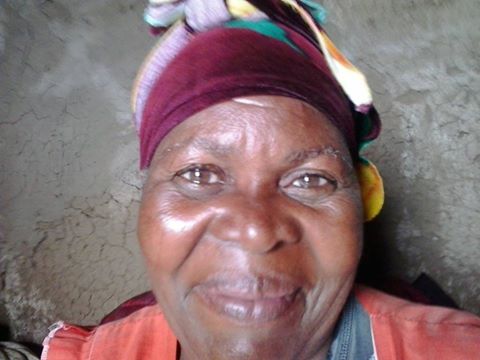
The following day we eventually met uMama ka Ngomani, a feisty old lady with a great sense of humour. Having arrived at her house at about 07:30am, I was concerned about it being too early and perhaps waking her/her household up. Our self-appointed escort, Mama Bhobosana, insisted that it wasn’t too early because people in the villages rise at the crack of dawn.

Not convinced, SK and I lagged far behind and let Bhobosana go way ahead of us, only for her to return within minutes with uMama kaNgomani in tow. She found her already working in her garden!

Born in 1937, Majajini Mhlolivele (uMama kaNgomani) has been digging up beads and other other artifacts from shipwrecks with her grandmother since she was a little girl. She couldn’t wait to get our interview over and done with so she could go and see if the tide was low enough for her to get to the rock island and start digging. She however, unlike the men, digs in the sand because it is less strenuous for her body, which is not as strong as it used to be.
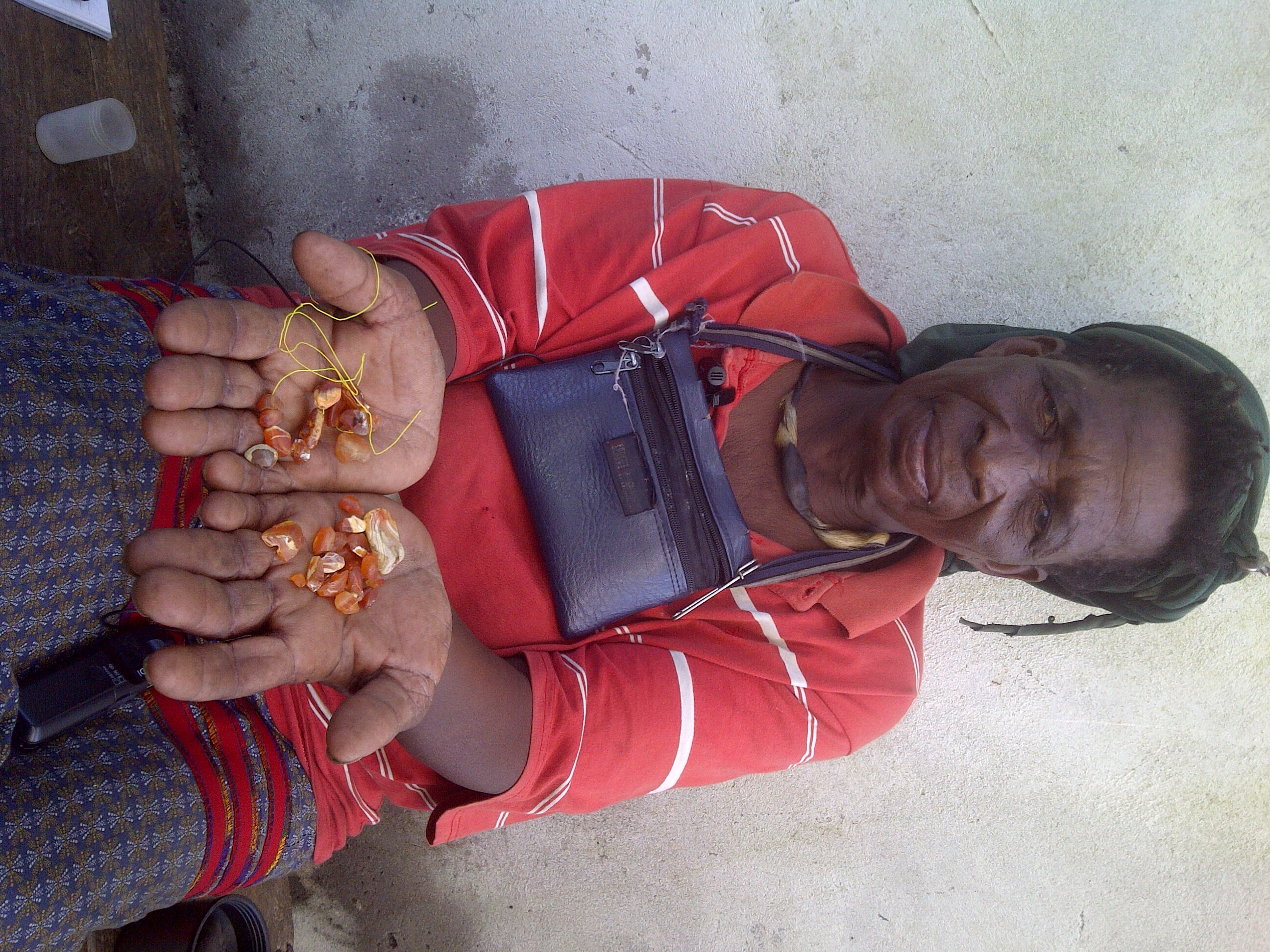
uMama kaNgomani with beads she recovered from the beach

uMama kaNgomani with beads she recovered from the beach

UMama kaNgomani says she used to sell her beads for as little as R25 or R30 for an average-sized bead that is intact. I asked how she came up with that price, and she said it was not her, but her buyers who set that price. The same buyers her son Ngomani sells to.

uMama kaNgomani with recovered clay pot shards

uMama kaNgomani with recovered clay pot shards

She said uTata kaZwelinzima, a village who also digs up artifacts from shipwrecks, was motivating for all the villagers to not only increase their prices but also to agree on what prices to sell their wares. While this gave her the courage to increase her bead price to R50 a bead, and she fully agrees with uTata kaZwelinzima in principle about setting a unified price, she is all too aware that poverty and desperation is what causes people to go behind each others’ backs and sell the artifacts for cheaper. Rather go home with a little bit of money than with no money at all.

Two years ago uMama kaNgomani convinced her widowed daughter to start digging for beads in order to support her two children. We’re meeting her next.

Who do you think you are?

“Do what you love and you’ll never work a day in your life.” Never did a saying ring so true.

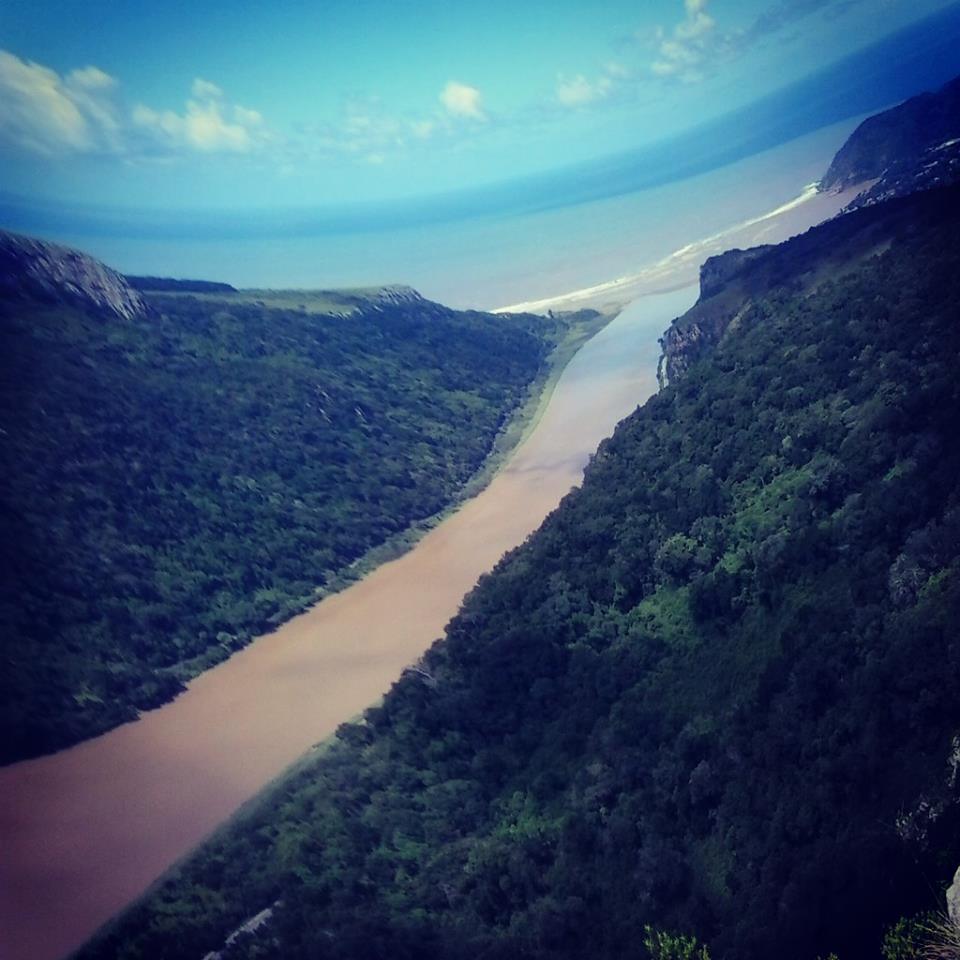
Sun rising behind Msikaba River

Here I am in one of the most scenic places on earth (the Transkei Wild Coast, of course!), knocking on the doors of complete strangers’, and asking them to share with me their life stories. I’m tasked with tying to find descendants of survivors of the three ships that wrecked on the short stretch of the coastline – about 50km in length – between the Msikaba and Mzimvubu Rivers; finding out whether the locals have any artifacts from the ship wrecks, and they interact with the sea in their daily lives.

My assignment is just swell. You see, I am so fascinated by people’s stories and experiences that I have been called all manner of things – nosy, prying, snoopy, curious. I like to think of it more as having an inquiring mind, being interested in people, being a great listener … Being able to ask questions that would be considered forward in normal social settings is a fringe benefit in my books.

The mouth of the Msikaba River in Lusikisiki, on the north-eastern Pondolond, is where the Sao Bento, a Portuguese ship, wrecked in 1554. Eight decades later another Portuguese ship, the Nossa Senhora de Belem wrecked near Mzimbubu Mouth in Port St Johns in 1635. About a century-and-a-half after that the Grosvenor, a British ship on a return journey from India to England, wrecked in 1782 between the Msikaba and Mzimvubu Rivers.

Hills and valleys of KwaNdengane village

Hills and valleys of KwaNdengane village

So here in KwaNdengane, the seaside village where the Msikaba River flows, is where my sidekick (SK for short) and I found ourselves – or rather, strategically placed ourselves! – hoping to find said descendants and artifacts. Our camp site manager pointed out a homestead where an elderly woman, umama ka Ngomani (Ngomani’s mother), who digs up beads, presumably from the Sao Bento, resides. Our landmark was her daughter’s homestead behind hers, which is bright purple in colour.

Almost immediately after turning off the main dirt road in the direction of mama ka Ngomani’s home, the road ended and ankle-length grass started. We were able to make out and follow faint tyre tracks, which were thankfully going in the general direction of the homestead we were headed to. Too late we realised that the tracks ended right in front of somebody else’s front door! We could make out our purple land mark in the distance so we knew this was the wrong home. And to make matters worse, the home owners were sitting outside in the shade, a mere four or five meters away, looking at us; no doubt wondering who we were.

As I was getting out of our bakkie to explain ourselves, the woman also got up and walked towards us. After exchanging greetings I apologised for driving right up to her door and told her we had followed the wrong tracks trying to get to umama ka Ngomani’s home. I also told her who we were, where we came from, and why we were looking for umama ka Ngomani. Noticing that her eyes were “different” (a lighter shade of brown, unlike a lot of black people’s eyes), I asked whether she perhaps wasn’t a descendent of one of the ship wreck survivors. (Was I being forward? Perhaps. But my curiosity was piqued and I just had to know!) My suspicions were confirmed and she immediately started to tell me her story.

Matholakele Bhobosane, 3rd generation of survivor Thanki from the Grovernor ship wreck

Matholakele Bhobosane, 3rd generation of survivor Thanki from the Grovernor ship wreck

Growing up, Matholakele Bhobosana, 58, had on numerous occasions heard her father say that he wasn’t from here and that he was from England, but she had never paid him much mind. Years later, after she got married and moved from Rhole – the village where the Grosvenor wrecked – to KwaNdengane, she started having visions of a coloured man dressed in a soldier’s coat coming to meet her half way and leading her back to Rhole. She asked her parents about this man, and her mother told her that it was her paternal grandfather Wana, who had died before she was born. Though he was never a soldier, Wana had a favourite army coat that he wore all the time. According to her father, Wana was the son of one of the male survivors of the Grosvenor.

Her great-grandfather was called Thanki, which is also her clan name. SK and I reckon that he must have said, “thank you” early on during his arrival, and with the language barriers between the local and the new arrivals, the locals must have decided to call him Thanki.

Unfortunately Bhobosana does not know much else about her English great-grandfather, though she, like here father, is very proud of her ancestry. “Ndilikhaladi mna! Ndiyayithandi into yokungafani nabanye abantu.” (“I am colourd. I love the fact that I am different from other people.”)

Following the wrong tyre tracks and driving right up to Bhobosana’s door – though embarrassing at first – worked out very well for us in the end. Not only did she enjoy sharing her story with us, but she also offered to accompany us to KwaRhole village to see where the Grosvenor wrecked.

Notes from the field…

Written by Lusanda Ngcaweni (Lead Researcher, EC Maritime Oral History Project), photographs by Andisiwe Qubekile (Research Assistant)

MONDAY

We met up with one of my contacts, Mr Sihlali, in Lusikisiki, who introduced us to a Mr Makanya from a village called Lambasi. Lambasi spreads out over a large area, including the vicinity where both the Sao Bento and the Grosvenor got wrecked. He only mentioned the Grosvenor, and we were not aware that it includes the area where the Sao Bento wrecked until Wednesday. (But more about that later.) Mr Makanya said he’d speak to the chiefs in the area and get back to me. The two gentlemen mentioned that there are local people who have “white” surnames, and that they are probably descendants of the shipwrecks. Something else of interest that the two brought up is BBC China, which wrecked in 2004 not too far from the Grosvenor. My second contact, Chief Mjoji, wasn’t answering my calls but he eventually got back to me in the afternoon to say I must call him after 13:00 on Tuesday.

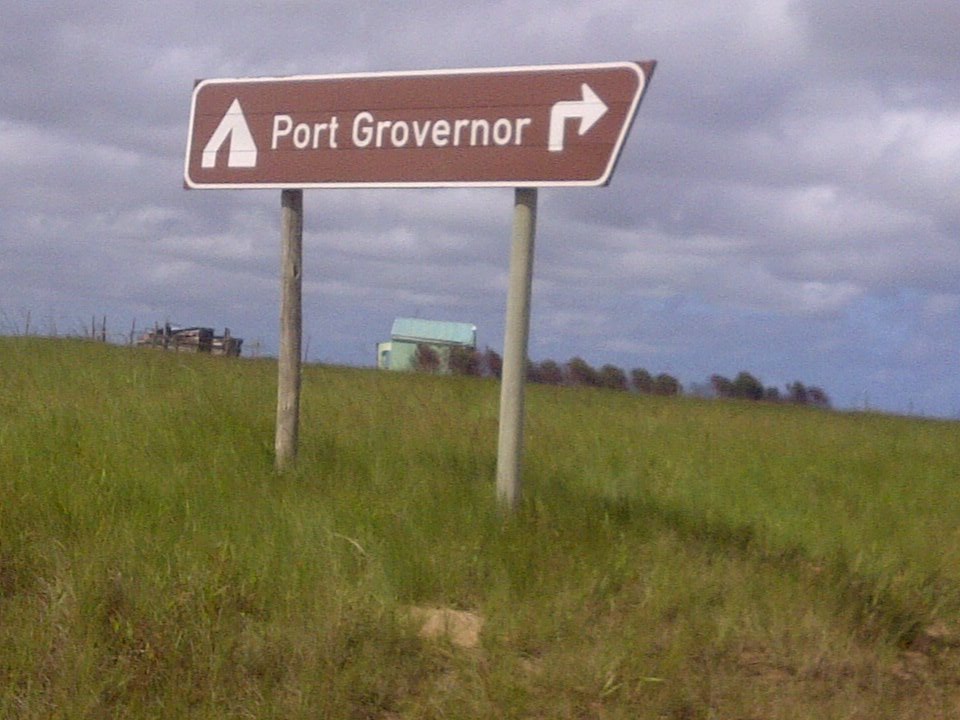
Port GrovenorTUESDAY

First thing Tuesday morning I phoned Jimmy, a tour guide who lives and works from Port St Johns. He said he would only be able to see us on Wednesday. I phoned Mr Makanya to make sure he hadn’t forgotten to speak to the chiefs in his area about us and the project. He said he was on it and I should call him again on Wednesday.

I managed to get hold of my third contact, Chief Faku Ndabankulu. (He is the one who said he was attending a meeting of the entire Faku chieftaincy clan.) The timing of the call was impeccable, because he was on his way from his village in Lusikisiki to Mthatha, so we were able to meet him in town in Lusikisiki 20 minutes later! But our hopes were dashed when he said he and his fellow chiefs were unable to help us. He brought up the project at the meeting and they all felt that because their clan resides more inland, none of them had any generational knowledge of shipwrecks.

Chief Faku did, however, make several phone calls to people he knows whose villages are closer to the coast. They all said they would get back to him. I was able to eaves drop on these conversations and I heard a mention of ship wrecks between Hluleka and Silimela, which is further down the coast (ie south of the Mzimvubu River). I asked him about this when he got off the phone and he said the person he was speaking to was going to get the details of the ward councilor in that area. When we parted ways Chief Faku promised to try and get us more contacts and to follow up with the people who said would get back to him.

We only managed to get hold of Chief Mjoji in the afternoon and we managed to meet up with him. He too said he didn’t have any information for us because his village, Malangeni, is inland. He did however say he would get us in contact with a certain Patrick van Rooyen, a local “coloured” man who is a descendant of the shipwrecks. He also said that he knew of the Caine and Ogle families, who are descendants of shipwrecks. “YAY”, I thought!

He also mentioned Nqguza Hill, the place where I told you there was a battle of historical significance in Lusikisiki. He said he was appalled at how that story was told by white people, when there are some local people who were involved in that battle that are still alive and tell a totally different story of what happened. He promised to take us there and introduce us to these people next week. He asked for a lift home and, low and behold, on the way there we came across Patrick van Rooyen.

He introduced us and the project, after which Mr van Rooyen immediately rattled off locals with “white” surnames who are descendants of shipwrecks – Caine, Ogle, Stoffel, Berry, Grimmit Canham and Roskruge – who are all apparently still in the rural villages of Lusikisiki. It turns out Mr van Rooyen is not a descendent of the shipwrecks, but of the Boer War. Chief Mjoji said he would take us around to these families this weekend, but I have not been able to reach him ever since. (Sigh!) Both Chief Mjoji and Mr van Rooyen mentioned the recent BBC China shipwreck.

WEDNESDAY

We  made our way to Port St Johns on Wednesday morning to meet Jimmy. Although he didn’t have any new information about the wrecks and the people it affected, he did however show us a very detailed map that was soon to become my best friend. It’s shows the three wrecks we’re looking at and the villages close by. This is how I not only discovered that the Sao Bento wrecked close to Mr Makanya’s village, but also that the N.S. De Belem wrecked close to Noqhekwane, a village near Port St Johns where a woman I care for deeply lives! (YAY! Another contact!) Jimmy didn’t have any more of the maps so we made a photocopy. Then it started to rain. And rain. And rain. I didn’t think we’d be able to make it up to Noqhekwana after such a heavy downpour (the road up there is precarious on a clear sunny day). Jimmy also said there was no way we could make it up there, so after taking some photos from an airstrip looking down on Mzimbuvu River, we headed back to Lusikisiki.

Image

Mzimvubu Rover on the way to Port St Johns

I phoned Mr Makanya again, but he wasn’t able to talk. By now we had had enough of not (yet) interviewing people so I decided it was time to head out to the villages and mission out on our own. With my new map as a guide, I found a camp site in Msikaba village and made bookings. The NSdeBelem wrecked in Msikaba Mouth and it’s apparently not too far from Lambasi village, where the Grosvenor wrecked. Mr Makanya also phoned back to say he had just come out of a meeting with some chiefs who didn’t have a problem with us going out into the their villages.

(There was a hitch with our booking though, the camp site does not offer linen! I called Chief Faku, who had mentioned when we saw him on Tuesday that he would be returning from Mthatha on Thursday, and asked him to please bring us linen from home. I arranged with him to meet up with my house mate at her place of work to pick it up on his way back to Lusikisiki the following day. He said he would leave Mthatha in the morning so that was perfect timing for us! Our encounters with Chief Faku were proving to be very serendipitous indeed!)

THURSDAY

So much for Serendipity! Chief Faku ended up leaving Mthatha rather late, so we only left Lusikisiki in the early afternoon. He also said that he was still trying to get information from the people he had called on Tuesday. We found our camp site quite easily, though the last stretch of road was dreadful! Our van managed, although it got very hairy at times. Then we realised that there was no cellphone reception and had to walk quite a distance and up a hill to call you!

FRIDAY

You’ll hear about this later. We’ll be going to find two families that the camp site manager told us about. They apparently go around the beach looking for and collecting beads from the Sao Bento!

Image

Eastern Cape Maritime Oral History Project field work officially begins!

Image

Eastern Cape Maritime Oral History Project field work officially begins!

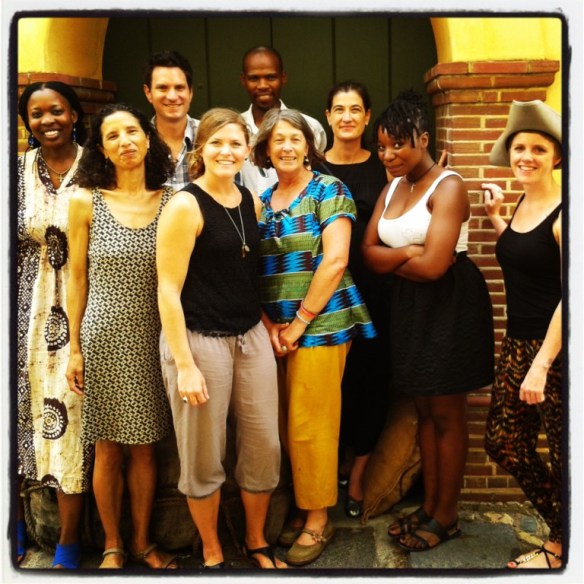
ACHA has officially moved in the field work phase of a new project that is focusing on the collection of maritime oral histories for the geographic area between Port St Johns and the Msikaba River in the Eastern Cape Province. The project will involve the review of secondary literature to create a historical context for the research as well as field work to gather oral histories from people currently living in the designated area. The objective of this project is to share the research findings in the form of both report as well as a public exhibition! This is a picture of the team involved: Left to right – front row: Lusanda Ngcaweni (lead researcher), Zuleiga Adams (Historian), Heather Wares (literature survey), Janet Ranson (exhibition artist), Andisiwe Qubekile (research assistant), Sophie Winton (SAHRA). Left to right – back row: Jonathan Sharfman (Maritime archaeologist/NAS training), Luvuyo Ndzuzo (Robben Island Museum), and Tahirih Michot (project manager).